2026-10-22 ·
How Foggy Del Mar Summers Contribute to Hidden Mold in Homes
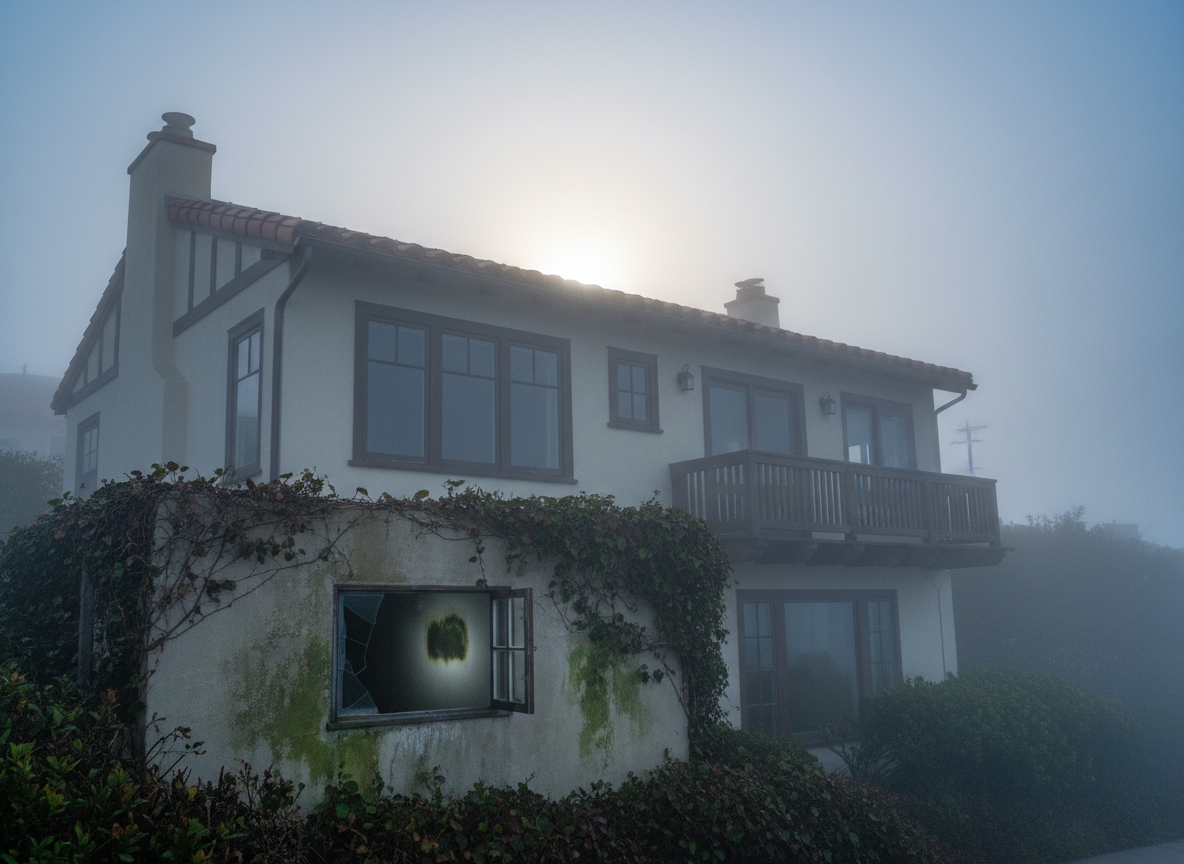
Foggy Del Mar summers contribute to hidden mold when the marine layer pushes humidity levels above 65% for multiple consecutive nights, allowing spores to colonize behind drywall and in attics within 48 to 72 hours in homes built before 1990.
Marine Layer Fog and Local Humidity Patterns
Del Mar sits directly on the Pacific where the marine layer forms almost nightly from June through September. This fog moves inland past Del Mar Beach and Powerhouse Park, then settles into the canyons that run through Del Mar Heights and North Beach. Because the region experiences a mild coastal Mediterranean climate, daytime highs rarely exceed 75°F, so homeowners often leave windows cracked. The trapped moisture condenses on cooler interior surfaces such as roof sheathing and exterior walls. In Del Mar Village, single-story ranch homes from the 1960s and 1970s lack modern vapor barriers, so the moisture travels deeper into framing. The same pattern appears in two-story homes near the Del Mar Racetrack where rooflines trap fog longer than flat lots.
Why Older Housing Stock in Del Mar Heights Traps Moisture
Many residences in Del Mar Heights were constructed between 1955 and 1975 with minimal insulation and original single-pane windows. These homes sit on slopes that face the ocean, so prevailing winds drive fog under eaves and into attic spaces. Once humidity lingers, cellulose insulation and wood sheathing provide food sources for mold colonies. North Beach neighborhoods experience similar issues because older crawl spaces sit close to the water table and receive less airflow during foggy stretches. The result is mold growth that remains invisible until homeowners notice musty odors or experience respiratory irritation during the driest parts of the day.
Practical Detection Steps for Del Mar Homeowners
Start by checking attic insulation for dark patches or a damp feel after three or more consecutive foggy nights. Use a moisture meter on exterior walls facing the ocean in Del Mar Village and Del Mar Heights. Pay special attention to bathrooms and laundry rooms where indoor humidity compounds the marine layer effect. Professional mold inspection can locate hidden growth behind drywall without demolition. Residents in nearby Solana Beach and Encinitas face identical conditions, so the same inspection protocol applies across the coastal zone. Early detection prevents colonies from spreading into HVAC systems that run continuously during mild summer weather.
When to Schedule Follow-Up Testing
If moisture readings stay above 16% on wood framing after the fog lifts, schedule residential mold testing to identify species and concentration levels. Post-remediation verification is also recommended once any affected materials are removed. For cost considerations specific to Del Mar properties, review What Affects Mold Remediation Costs in Del Mar before work begins. Consistent monitoring during the foggy season helps keep hidden mold from returning in the same locations year after year.